The paintings at Palazzo Colonna, starting with the one people come for
The Beaneater
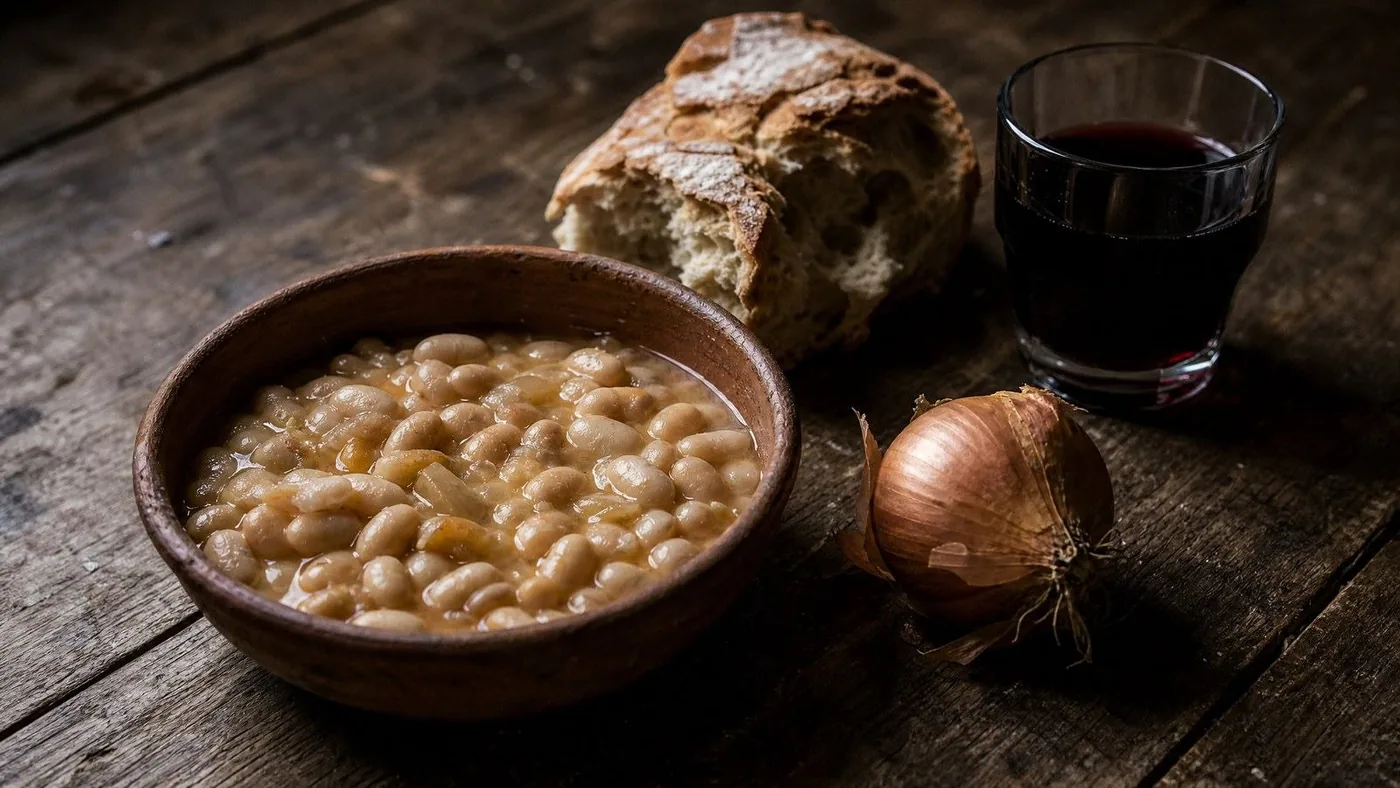
Annibale Carracci’s Il Mangiafagioli is the reason a certain kind of visitor comes to this palace at all, and they walk past a great deal to reach it. The English title is The Beaneater and the Italian is worth knowing because the labels and the staff use it.
What I will not do is describe it to you at length. It is a small, plain, extremely famous picture in a building full of enormous ones, and the effect of the room depends entirely on that contrast being met rather than explained in advance.
What hangs around it
The gallery collection runs from the Renaissance into the Baroque, and the names the operator and the city put forward are Bronzino, Tintoretto, Guido Reni, Guercino, Salvator Rosa, Ghirlandaio and Gaspard Dughet. That is the published list and I am not going to lengthen it from memory — a private collection of this age holds a great deal more than any public source itemises, and the difference between what hangs there and what is documented is real.
Look at where they hang rather than only at what they are. This is a family’s own collection in the family’s own rooms, arranged to be seen from the middle of a single long room, not sorted into schools by a curator. It is the last common arrangement of its kind you can walk into in Rome on a Saturday morning.
The Pinturicchio and the Brueghel are behind the other ticket
The Princess Isabelle apartments hold frescoes by Pinturicchio and landscapes by Gaspard Dughet and Jan Brueghel the Elder. They are not in the short ticket.
At the door the operator sells a short tour at about fifteen euros and a complete one at about twenty-five, and the apartments are the difference. On the platform, 2 of the four Palazzo Colonna listings gate an inclusion behind the words “if option chosen” or “if option selected”, and on the flagship the gated line is the apartments. If you have come to Rome for the Pinturicchio, read your own booking twice: the tickets page sets the two tariffs side by side and quotes the reviewer who found out too late.
Laurie, on the flagship listing, is the visitor who got it right: “Paying the extra to see the gardens and the apartment is a must!!”
How much time the pictures actually take
Longer than a Saturday morning if you let them, and the morning ends at 13:15. Suzana, writing on the flagship, gives the reason people underestimate it: “it’s worth visiting as there are few tourists in the gallery, and there’s a picturesque collection of paintings”. An empty room in front of a Tintoretto is a rare thing in this city and it will hold you longer than a crowded one would.
A note on those quotations. The review file behind this site holds 188 written reviews across all twenty-one listings and 184 of them are five-star, against listing averages of 4.0 to 5.0. That is not a representative sample, so this site uses written reviews for concrete detail — what somebody saw, what they missed — and never for sentiment.
If your morning is short, do the gallery first and the apartments second. The gallery is on every ticket; the apartments are on some of them, and finding out which one you hold is quicker at the start of the visit than at the end of it.
Read next
Frequently asked questions
What is the most famous painting at Palazzo Colonna?
Annibale Carracci’s Il Mangiafagioli, The Beaneater. It is the picture visitors ask for by name.
Which artists are in the Galleria Colonna?
The published list runs Bronzino, Tintoretto, Guido Reni, Guercino, Annibale Carracci, Salvator Rosa, Ghirlandaio and Gaspard Dughet, with Pinturicchio and Jan Brueghel the Elder in the Princess Isabelle apartments.
Is the Pinturicchio included in the standard ticket?
No. The Pinturicchio frescoes are in the Princess Isabelle apartments, which are the difference between the operator’s short tour and its complete one, and which two of the four platform listings put behind an option.